
Unraveling The Mystery Of Cryptocurrencies: Bitcoin Vs Altcoins
Unraveling the Mystery of Cryptocurrencies: Bitcoin vs Altcoins
- Breaking Into The World Of Investing: A Beginner’s Guide To Stablecoins
- The Dark Side Of Decentralization Bitcoin Minings Environmental Toll
- The Rise Of Decentralized Platforms In Shaping The Gig Economys Future
- Unlocking The Code: Mastering Technical Analysis In Crypto Trading
- The Benefits Of Using Blockchain For Supply Chain Transparency
As the world of digital currencies continues to expand and gain mainstream acceptance, the terms ‘Bitcoin’ and ‘altcoins’ are becoming increasingly prominent. But what exactly sets these two apart? Is it just a matter of terminology, or are there fundamental differences that define their roles in the crypto universe?
To begin, let’s start with the pioneer – Bitcoin. Launched in 2009 by the enigmatic Satoshi Nakamoto, Bitcoin is widely regarded as the first decentralized cryptocurrency. It operates on a peer-to-peer network, where transactions are validated through complex cryptographic algorithms, eliminating the need for intermediaries like banks. Bitcoin’s decentralized nature, combined with its limited supply of 21 million, has cemented its position as the gold standard of cryptocurrencies.
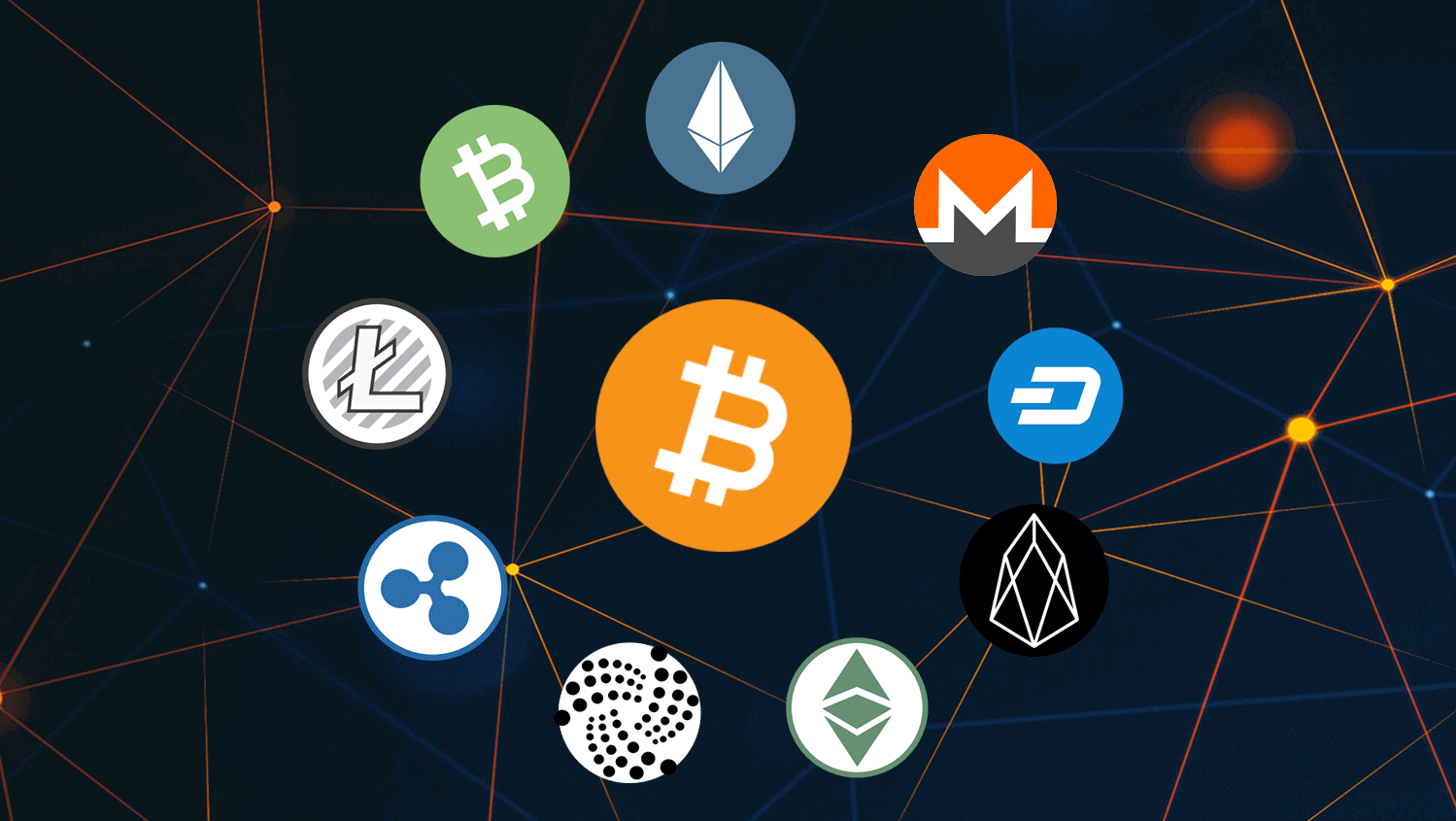
Now, enter the world of altcoins – short for ‘alternative coins.’ This broad term refers to any cryptocurrency that isn’t Bitcoin. Yes, you read that right – any. Altcoins can be forks of existing cryptocurrencies, like Bitcoin Cash, or entirely new creations, such as Dogecoin. They can also represent tokens built on top of other blockchain platforms, as seen in the case of ERC-20 tokens on Ethereum.
One of the primary differences between Bitcoin and altcoins is their monetary policy. While Bitcoin’s total supply is capped at 21 million, altcoins often have more flexible monetary policies, with some having no supply limit at all. For instance, Ethereum’s supply is theoretically limitless, although it has an annual cap on the number of new Ether tokens that can be created through a process called ‘block reward.’
Another key distinction lies in their underlying technology and use cases. Bitcoin’s blockchain is primarily designed for peer-to-peer transactions, whereas many altcoins focus on specific applications, such as smart contracts (Ethereum), private transactions (Monero), or IoT device management (IOTA). These unique features allow altcoins to cater to specific niches within the cryptocurrency space, making them more versatile and adaptable.
Altcoins have also faced criticism for being more vulnerable to price manipulation and market volatility. Due to their relatively low market capitalization compared to Bitcoin, altcoins are often more susceptible to sudden price swings. Additionally, some altcoins have been accused of being ‘pump-and-dump’ schemes, where the developers artificially inflate the price to attract unsuspecting investors.
In contrast, Bitcoin has consistently shown a higher level of resilience, although it’s not entirely immune to market fluctuations. Bitcoin’s robust ecosystem, coupled with its widespread adoption, contributes to its relative stability in comparison to most altcoins.
It’s essential to remember that both Bitcoin and altcoins have their unique strengths and weaknesses. While Bitcoin continues to serve as the primary store of value and medium of exchange in the crypto realm, altcoins expand the possibilities of what blockchain technology can achieve. In the ever-evolving world of digital currencies, diversification and exploration of both camps can lead to a deeper understanding of the complex, innovative landscape that is the cryptocurrency space.
Ultimately, as with any emerging technology, caution and informed decision-making are key. Whether you choose to invest in Bitcoin, altcoins, or a combination of both, it’s crucial to stay educated and vigilant, keeping in mind that the true potential of these digital assets lies not in their financial value, but in the decentralized, open-source innovations they enable.
