
The Role Of Nfts In The Future Of Social Media
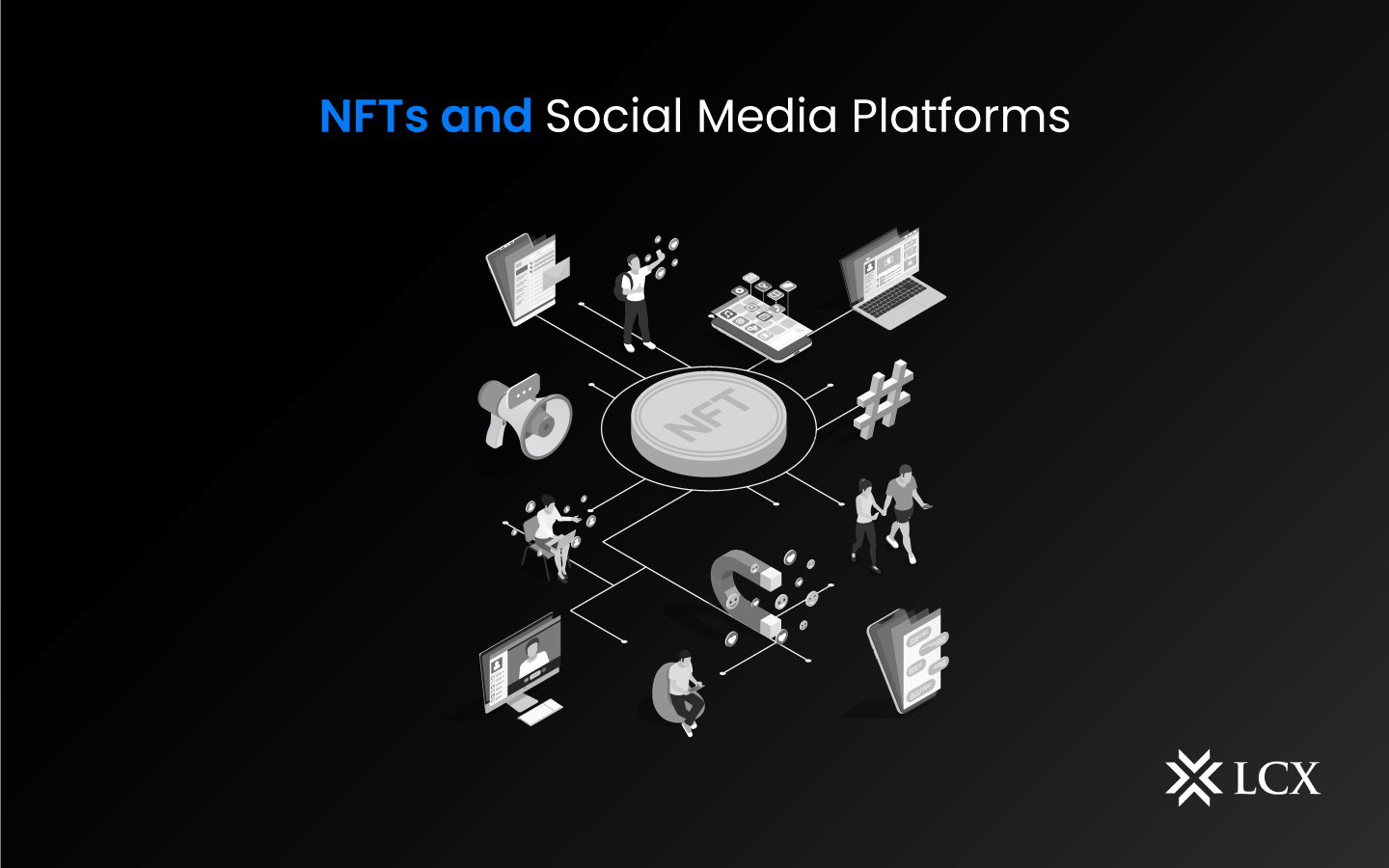
The social media landscape is on the cusp of a revolution, and Non-Fungible Tokens (NFTs) are at the forefront of this change. As the world becomes increasingly digital, the role of NFTs in shaping the future of social media is becoming more evident. In this article, we’ll delve into the world of NFTs and explore their potential to transform the way we interact, create, and share content online.
- Reaping The Rewards Of DeFi: Unlocking Full Potential With Aggregators For Higher Yield Returns
- The Unseen Backbone Of Ethereum: Unraveling The Mystery Of ERC-20 Tokens
- Securing Identity In The Digital Age: How Blockchain Is Revolutionizing The Fight Against Impostors
- Looking Ahead: Navigating The Cryptocurrency Market In 2024
- Unlocking New Income Streams: A Journey Through DeFi Lending Protocols
Imagine a social media platform where you can own a unique, one-of-a-kind digital art piece that serves as your profile picture. Sounds far-fetched? Think again. With NFTs, this is already a reality. Artists and creators are using NFTs to mint and sell unique digital art pieces that are stored on the blockchain. These art pieces can be used as profile pictures, background images, or even emojis.
But NFTs are not just limited to art. They can be used to create unique digital experiences, such as virtual events, games, and even social experiences. Imagine attending a virtual concert where you can own a unique digital ticket that serves as proof of attendance. This ticket can be stored in your digital wallet and displayed on your social media profile.
One of the most significant advantages of NFTs is that they provide a new revenue stream for creators. In traditional social media platforms, creators rely on advertising revenue to monetize their content. However, with NFTs, creators can sell their unique digital art pieces, experiences, or collectibles directly to their fans. This not only provides a new source of income but also allows creators to connect with their fans in a more meaningful way.
Another significant benefit of NFTs is that they provide a high level of scarcity and authenticity. Since NFTs are stored on the blockchain, they cannot be replicated or counterfeited. This means that when you own an NFT, you can be sure that it’s the only one of its kind in the world.
But what about ownership and control? Traditional social media platforms have been criticized for their algorithmic feed, which prioritizes content that generates the most engagement. This can lead to a lack of control and ownership for creators. With NFTs, creators have complete control over their content and can choose how it’s displayed and shared.
In the near future, we can expect to see social media platforms integrate NFTs in a more seamless way. For example, social media platforms may allow users to mint and sell NFTs directly from their profiles. This would eliminate the need for third-party marketplaces and make it easier for creators to monetize their content.
However, there are also challenges associated with NFTs. One of the biggest concerns is scalability. Currently, most NFTs are stored on the Ethereum blockchain, which can be slow and expensive. As the demand for NFTs grows, the blockchain will need to scale to accommodate the increased traffic.
Another challenge is accessibility. Currently, NFTs are not easily accessible to the average user. They require a certain level of technical expertise and a digital wallet. To truly democratize NFTs, social media platforms will need to make them more user-friendly.
In conclusion, NFTs are poised to revolutionize the way we interact, create, and share content online. They provide a new revenue stream for creators, a high level of scarcity and authenticity, and complete control and ownership. As social media platforms integrate NFTs in a more seamless way, we can expect to see new and innovative ways to connect, create, and monetize content online.
The future of social media is no longer just about sharing updates and photos. It’s about creating, owning, and sharing unique digital experiences that are stored on the blockchain. With NFTs, the possibilities are endless, and the future is exciting.
