
The Rise Of Decentralized Exchanges: Revolutionizing The Crypto Trading Landscape
The Rise of Decentralized Exchanges: Revolutionizing the Crypto Trading Landscape
- Protecting Your Crypto Fortune: A Deep Dive Into Multi-Signature Wallets
- Unlocking The Power Of Secure Identity Verification: The Cryptocurrency Revolution
- The Best Crypto Staking Platforms For Passive Income
- The Future Of Blockchain In Digital Identity Verification
- Shielding Your Virtual Vault: Mastering The Art Of Crypto Security
Imagine a world where you’re in complete control of your financial assets, free from the shackles of intermediaries and centralized institutions. Welcome to the realm of decentralized exchanges (DEXs), a revolutionary concept that’s transforming the face of cryptocurrency trading.
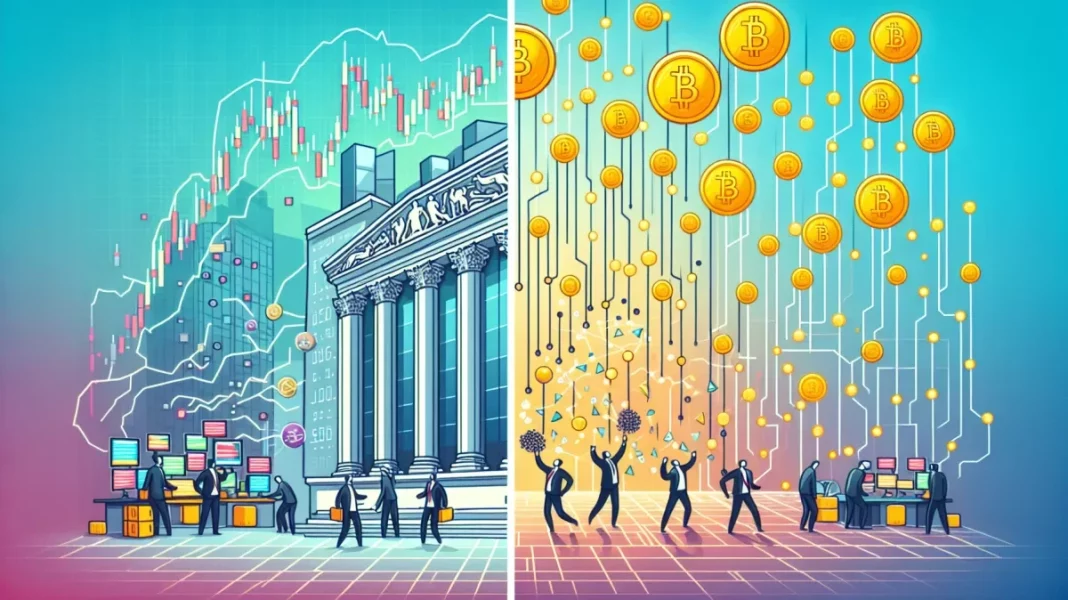
For years, traditional centralized exchanges (CEXs) have dominated the crypto trading landscape, offering a convenient but often cumbersome way to buy, sell, and trade digital assets. However, with the emergence of DEXs, traders are now embracing a more secure, transparent, and community-driven way to engage with the crypto markets.
So, what exactly are decentralized exchanges? In simple terms, DEXs are online platforms that enable users to trade cryptocurrencies in a trustless, peer-to-peer manner, without the need for intermediaries. These platforms are built on blockchain technology, utilizing smart contracts to facilitate trades and ensure the integrity of transactions.
One of the most significant advantages of DEXs is their ability to offer unparalleled security. Unlike CEXs, which are vulnerable to hacking and other security breaches, DEXs are designed to be highly resistant to such threats. With funds stored directly on the blockchain, users are in complete control of their assets, eliminating the risk of exchange-based hacks.
Another key benefit of DEXs is their transparency. With all transactions recorded on the blockchain, traders can access a wealth of information on trading activity, liquidity, and market trends. This transparent nature of DEXs also enables the development of more sophisticated trading tools and analytics, providing traders with a deeper understanding of market dynamics.
But what about liquidity? One of the most significant concerns surrounding DEXs is their perceived lack of liquidity. However, with the growth of DeFi (decentralized finance) and the increasing popularity of DEXs, liquidity is becoming less of an issue. Moreover, many DEXs are now partnering with liquidity providers to enhance trading volumes and ensure a smoother user experience.
Despite these advantages, DEXs still face some significant challenges. One of the most pressing issues is user experience. While DEXs have undoubtedly improved in recent years, they still lag behind CEXs in terms of user-friendliness and ease of use. This is largely due to the complexity of blockchain technology and the need for users to interact with wallets and smart contracts.
To overcome this hurdle, several DEXs are now investing heavily in user experience, developing more intuitive interfaces and streamlined onboarding processes. Additionally, the rise of aggregator platforms, which enable users to access multiple DEXs through a single interface, is helping to simplify the trading experience and reduce fragmentation.
In conclusion, decentralized exchanges are revolutionizing the crypto trading landscape, offering a secure, transparent, and community-driven way to engage with the markets. While challenges still exist, the benefits of DEXs far outweigh their drawbacks. As the DeFi space continues to evolve and mature, we can expect to see DEXs play an increasingly prominent role in shaping the future of cryptocurrency trading.
So, what’s next for DEXs? With the rise of Web3 and the increasing adoption of blockchain technology, we can expect to see DEXs become even more sophisticated and user-friendly. Moreover, the integration of DEXs with other DeFi protocols, such as lending and borrowing platforms, is likely to create new opportunities for traders and investors.
In the world of cryptocurrency trading, the old adage "power to the people" has never been more relevant. Decentralized exchanges are empowering traders to take control of their financial assets, free from the constraints of traditional finance. As the crypto landscape continues to evolve, one thing is clear: DEXs are here to stay, and they’re set to play a major role in shaping the future of finance.
