
The Future Of Blockchain In Digital Identity And Privacy
Imagine a world where you’re in complete control of your personal data, where you can choose what you share and with whom, and where your identity is protected from nefarious actors. Sounds like a utopian fantasy, right? But what if I told you that this world is not only possible but also rapidly becoming a reality, thanks to the power of blockchain technology?
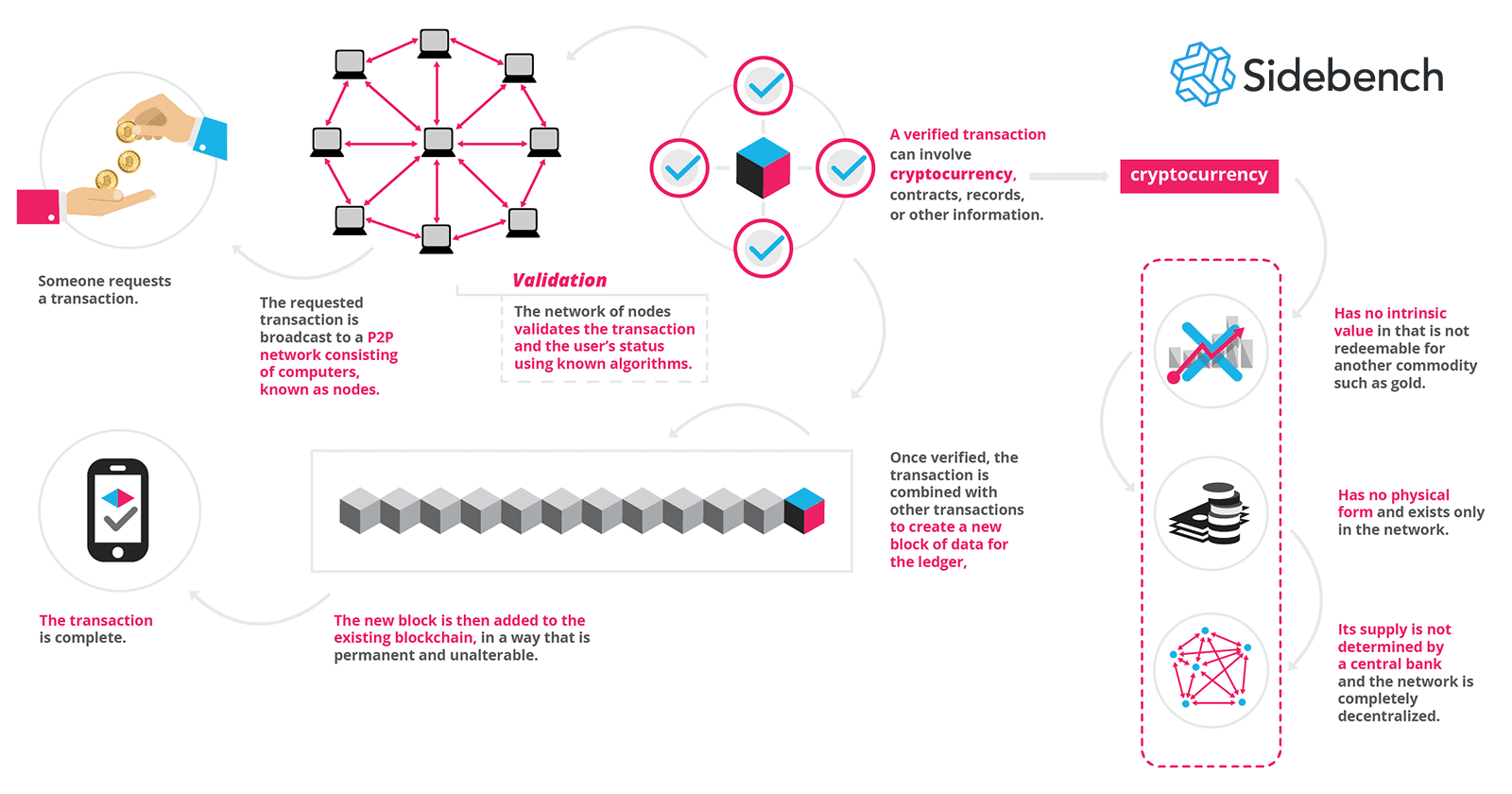
- The Future Of Blockchain In Digital Identity Verification
- Minting Your Masterpiece: Exploring The Best NFT Platforms For Creators
- Unlocking The World Of Crypto Gaming: Your Essential Starter Pack
- What Is Proof Of History And How Does It Secure Blockchain Networks
- The Rise Of Blockchain As A Cybercrime Fighter
The concept of digital identity has long been a topic of discussion among tech enthusiasts, policymakers, and cybersecurity experts. As we increasingly live our lives online, our digital footprints have become a treasure trove for advertisers, data brokers, and malicious hackers. But blockchain is poised to revolutionize the way we manage our digital identity, and it’s all about empowering individuals to take control of their own data.
So, how does it work? In a blockchain-based digital identity system, a person’s identity is represented by a unique cryptographic key, which is stored on a decentralized network. This key is linked to a digital wallet, where the individual can store personal data, such as identification documents, medical records, and other sensitive information.
Here’s the beauty of it: because the data is stored on a blockchain, it’s completely secure, transparent, and tamper-proof. Only the individual has access to their own data, and they can choose to share it with others on a case-by-case basis. This puts an end to the current model, where our data is harvested and exploited by third-party companies without our consent.
But that’s not all. Blockchain-based digital identity also makes it possible to create decentralized authentication systems, which eliminate the need for passwords and other authentication methods that are vulnerable to hacking. Imagine being able to log into your favorite online services without having to remember complex passwords or worry about phishing scams. That’s the future we’re heading towards.
Another area where blockchain is set to make a significant impact is in the realm of digital identity verification. Traditional methods, such as ID cards and passports, are often cumbersome and vulnerable to forgery. Blockchain-based identity verification systems, on the other hand, use advanced cryptography and machine learning algorithms to verify an individual’s identity in real-time.
This has significant implications for industries such as healthcare, finance, and education, where identity verification is critical. Imagine a doctor being able to instantly verify a patient’s medical history, or a bank being able to confirm a customer’s identity without having to rely on clunky and vulnerable authentication methods.
Of course, there are challenges to be addressed. Scaling blockchain technology to accommodate the demands of a global population, for instance, is a significant hurdle that needs to be overcome. Additionally, regulatory frameworks will need to evolve to accommodate the new paradigm of decentralized identity management.
However, the benefits far outweigh the challenges. A blockchain-based digital identity system would not only enhance our personal security but also empower us to take control of our own data. It’s a future where we’re no longer forced to trade our personal data for convenience, but where we can choose to share it on our own terms.
As we look to the future, it’s clear that blockchain is set to play a pivotal role in shaping the way we manage our digital identity. It’s a future that’s more secure, more private, and more empowering. And it’s a future that’s rapidly becoming a reality.
