
The Evolution Of Financial Discretion Unraveling The Mystery Of Privacy Coins
The faceless anonymity of online transactions has often shrouded the realm of cryptocurrency in mystery. One of the most intriguing aspects of this digital world is the evolution of financial discretion – unraveling the enigma of privacy coins.
- Navigating The Wild West Of Crypto Trading: A Beginner’s Guide To Safe Trading With Stop Loss Orders
- Evaluating A Crypto Exchange: Navigating The Complex World Of Digital Assets
- What Are Crypto Vaults And How Do They Enhance Security
- Ditch The Cards: Using Cryptocurrency In Your Daily Life
- Embracing Transparency: How Blockchain Revolutionizes Secure Financial Transactions
Imagine walking into a convenience store and paying for your daily coffee without anyone knowing that the $5 note you just handed over belonged to you. Sounds ideal, doesn’t it? Online transactions, particularly in the realm of cryptocurrencies like Bitcoin, are often scrutinized by eagle-eyed regulators and analysts who can track your every move. This raises concerns about true anonymity and financial freedom.
The dawn of cryptocurrency began with the inception of Bitcoin, a currency that touted decentralization and freedom, yet soon it became apparent that online transactions weren’t as private as they seemed. Bitcoin had a gaping hole when it came to anonymity – all transactions were recorded on a public ledger called the blockchain.
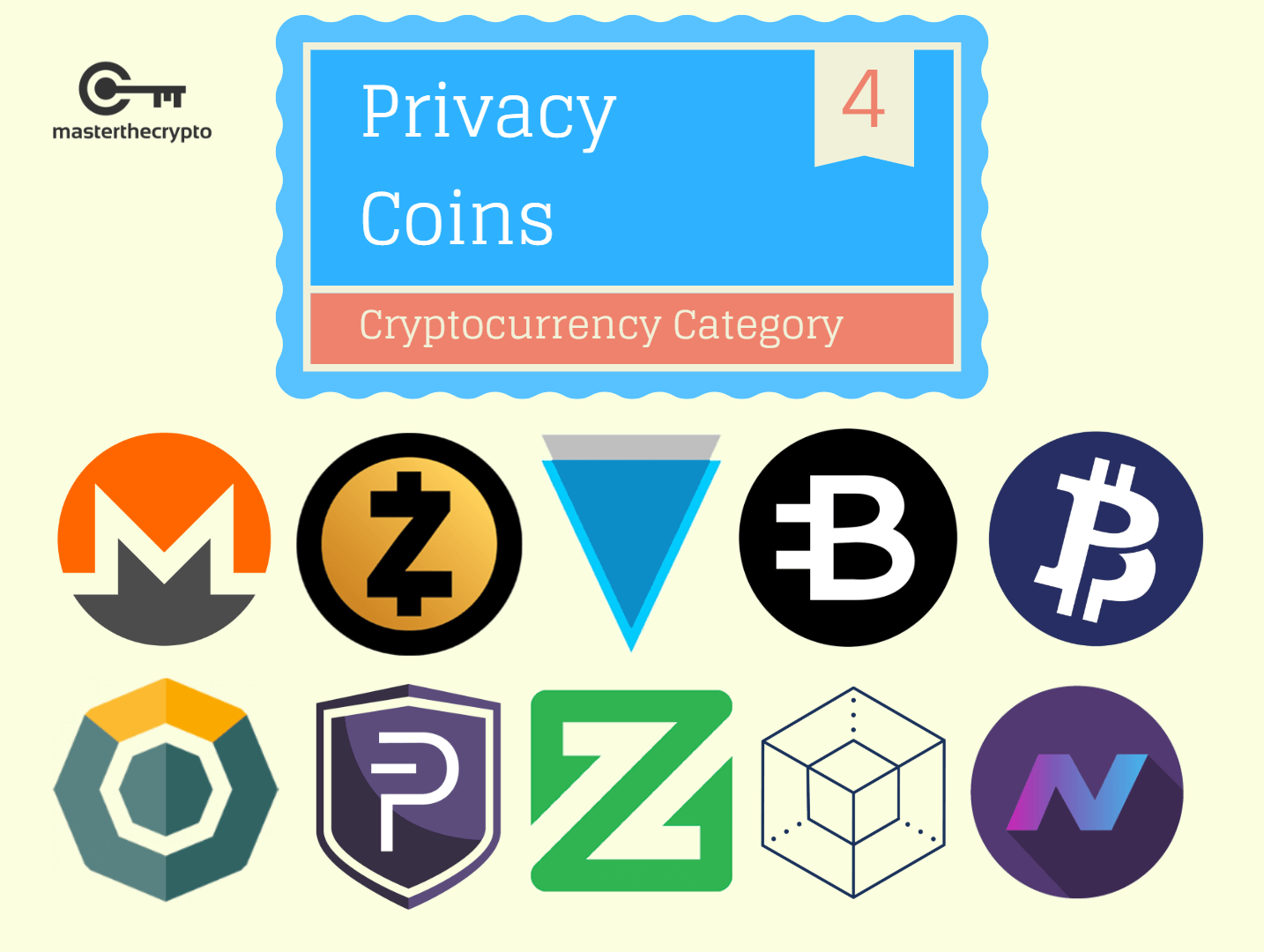
However, innovators soon filled this gap with the development of what’s commonly known as ‘privacy coins.’ One of the earliest and the most famous among these pioneers is undoubtedly Monero.
Developed in 2014 by an anonymous group of developers, Monero harnessed advanced cryptography to create a protocol known as ring signature technology. This technology bundles multiple transactions from different users into a single transaction, effectively disguising the source, recipient, and the amount of the transaction. Monero’s biggest USP was that even if hackers or regulatory authorities got a peek at the blockchain, they couldn’t pinpoint any specific transaction details.
However, even though Monero and similar private coins provided an uncanny level of anonymity, critics levelled the claim that the cryptocurrency realm’s darker corners could abuse its uses. Critics argued that criminal elements and money launderers would exploit such currencies, sparking heated debates around their potential misuse.
In the wake of growing concerns about illicit use of digital currencies, other crypto creators attempted to build on Monero’s innovative foundation, producing next-generation technology solutions like Zcash. This innovative new protocol uses advanced cryptographic methods called ‘zk-SNARKS’ which allow for ‘zero-knowledge proofs’: offering irrefutable proof that a certain transaction is valid, all while protecting the involved details.
Since its emergence, the enigmatic world of cryptocurrencies has constantly changed with time. Researchers working on their innovations are hard at work creating anonymity protocols that not only protect user data but contribute to increased social good.
One solution under research involves ‘white-box’ cryptocurrencies, whose software allows people who adhere to local and national compliance to complete transactions in real-time. Such a protocol combines anonymity and seamless regulatory compliance in one elegant crypto system.
In our quest for anonymity online, we mustn’t rule out that technological advancements could once and for all dissolve barriers between personal freedom and compliance. Private currencies, such as Monero and Zcash, take a crucial step towards the creation of decentralized and safeguarded money networks.
